
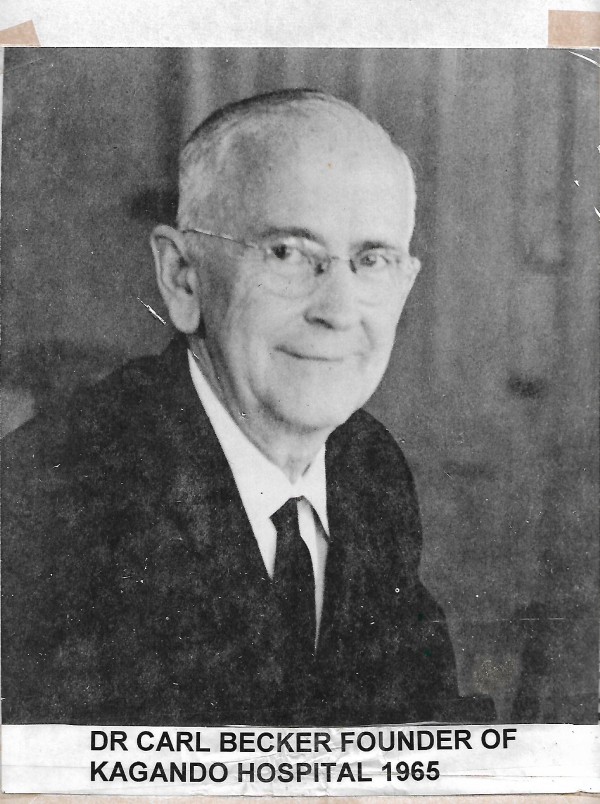
Founded in 1965 by the Africa Inland Mission under the leadership of Dr. Carl Becker, Kagando Hospital has grown into one of the leading faith-based healthcare institutions in Western Uganda.
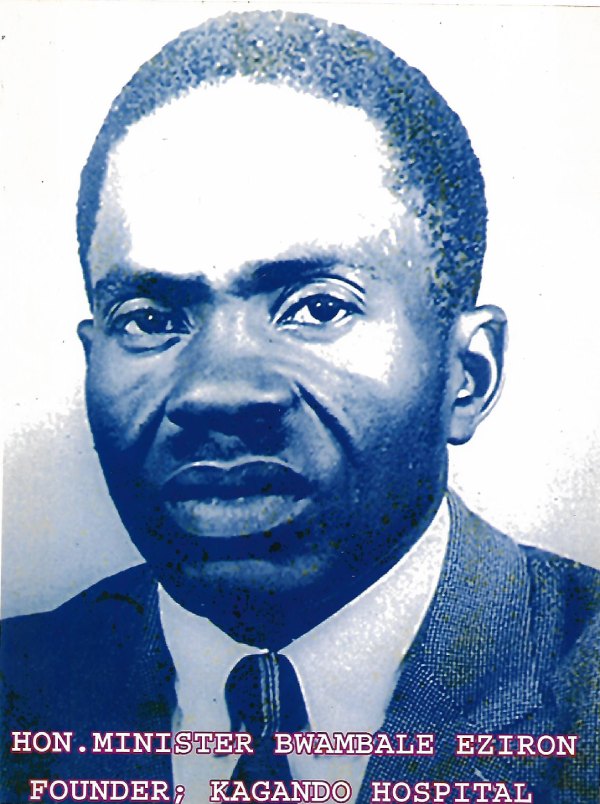
The story of Kagando Rural Development Centre (KARUDEC) began in 1964, during a period of great political and social upheaval in the Democratic Republic of Congo (DRC).
Following the Simba Revolution, many missionaries were forced to flee across the border into Uganda. Among them was Dr. Carl Becker, who had been working in Eastern Congo. Together with other missionaries, he encountered a small health centre at Nyabirongo and a modest leprosy settlement at Kagando, in the foothills of the Rwenzori Mountains.
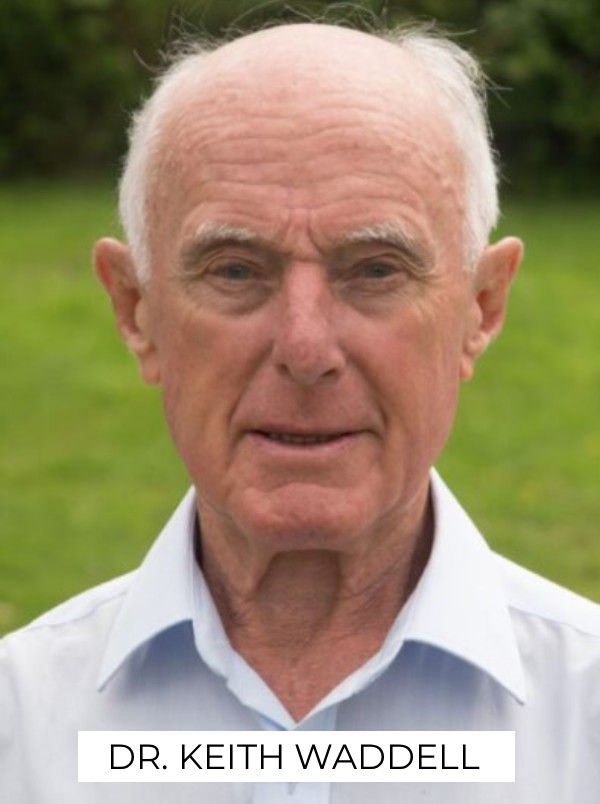
With the assistance of Dr. Keith Waddell, a young doctor preparing to begin missionary service with the Africa Inland Mission, Dr. Becker began developing the basic facilities at Kagando to provide much-needed healthcare to the surrounding community.
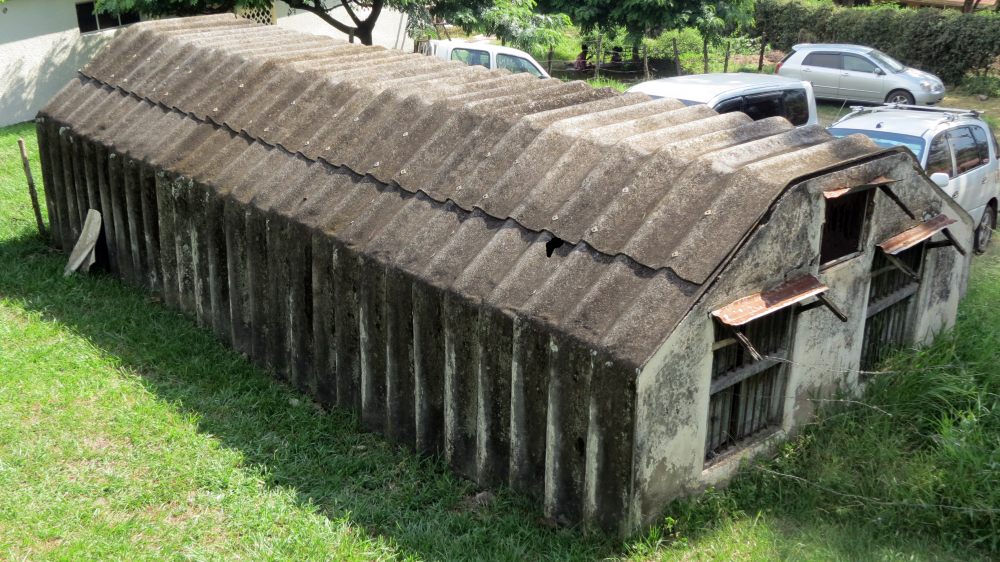
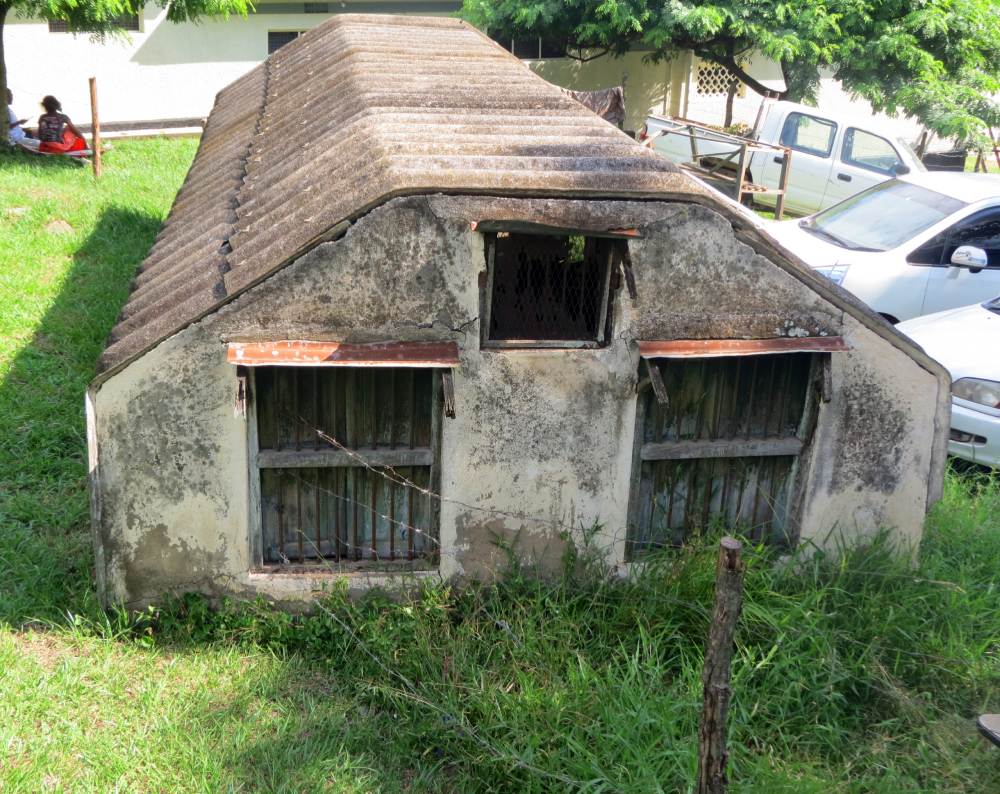
In 1965, Kagando Hospital was formally established as a District General Hospital by the Africa Inland Mission, under the leadership of Dr. Carl Becker. The hospital operated from simple asbestos, bus-like huts that had previously housed a government leprosy settlement.
What began as a small healthcare facility has since grown into a multifaceted institution serving communities across Kasese District, neighbouring districts and parts of eastern Democratic Republic of Congo.
After one year, Dr. Keith Waddell took responsibility for Kagando Hospital when continuing instability prevented him from entering the Congo. He served at Kagando for many years, helping establish essential healthcare services while developing specialised programmes for the treatment, care and prevention of leprosy.
He also helped develop specialised eye-care services, which later became centred in Mbarara and grew into a world-renowned centre for the management of retinoblastoma, a serious eye cancer commonly affecting young children.
Over the years, Kagando attracted many dedicated doctors, nurses, missionaries and other professionals whose commitment contributed to the institution’s growth and its continuing service to the community.
Partnerships have been central to Kagando’s development from the very beginning.
As early as 1965, Kagando worked in partnership with the Uganda Protestant Medical Bureau (UPMB) and Mengo Hospital to train nursing aides.
During the post-Idi Amin period, Dr. Rob Morris played an important role in helping integrate Kagando Hospital into a fully fledged project supported by the Church of Uganda.
UPMB subsequently became increasingly active in supporting faith-based hospitals, supplying medicines and other essential medical supplies while strengthening links between hospitals and the Ministry of Health.
In 1980, through these arrangements, the Government posted the first qualified Government Medical Assistant to Kagando Hospital—an important milestone in the hospital’s integration into Uganda’s public health system.
By the early 1980s, it had become clear that the health needs of the community were closely connected to broader social and economic challenges.
In 1984, Kagando Hospital transitioned into a broader community development organisation known as the Kagando Rural Development Centre (KARUDEC) under the Church of Uganda.
This marked an important new chapter: from focusing primarily on healthcare to addressing the interconnected health, education, livelihoods, spiritual and social needs of the communities we serve.
KARUDEC has since become a catalyst for development across the five sub-counties of:
Today, KARUDEC serves a population of more than 150,000 people in Kasese District, with services also reaching neighbouring districts and communities in eastern Democratic Republic of Congo.
From its humble beginnings, Kagando has grown into a diverse institution with a range of programmes and facilities serving the whole person—body, mind, spirit and community.
Today, the KARUDEC family includes: Kagando Hospital, Kagando Institute of Health Sciences, UCU–Kagando University College, Kagando Primary and Nursery Schools, Mothers Care Home, Christian Nurture and Church Ministry, Kagando Farm
KARUDEC’s work extends well beyond the hospital walls.
Through community outreach programmes, we respond to the wider needs of families and communities, including:
These programmes recognise that lasting improvements in health and wellbeing require more than medical treatment alone.
For communities where almost 90% of people are peasant farmers dependent on subsistence agriculture, development must also address livelihoods, nutrition, education, clean water, sanitation and economic opportunity.
A Community Development Legacy
For more than six decades, Kagando and KARUDEC have continued to evolve in response to the changing needs of the communities they serve.
What began in 1965 as a small hospital operating from simple buildings has grown into a broad-based community development ministry encompassing healthcare, education, training, agriculture, water and sanitation, livelihoods, spiritual ministry and community outreach.
The journey has been made possible through the dedication of healthcare workers, educators, missionaries, community members, partners, churches, government and supporters who have contributed to the work over the years.
From a small leprosy settlement at the foot of the Rwenzori Mountains, KARUDEC continues its commitment to serving communities, transforming lives and contributing to sustainable development.
Our Home in the Rwenzori Region
KARUDEC is located at the foothills of the Rwenzori Mountains in Kasese District, a district that straddles the Equator and borders the Democratic Republic of Congo to the west.
Kasese District headquarters are approximately 359 kilometres by road west of Kampala, Uganda’s capital city.
The district is also home to two of Uganda’s most remarkable natural treasures:
This unique location places KARUDEC at the heart of a diverse community whose needs and opportunities are shaped by its geography, culture, agriculture and proximity to the DRC border.
Our Journey at a Glance
1964 — Missionaries fleeing the Simba Revolution arrive in Uganda and begin developing healthcare services at Kagando.
1965 — Kagando Hospital is established by the Africa Inland Mission as a District General Hospital.
1965 onwards — Partnerships begin with organisations including UPMB and Mengo Hospital, including the training of nursing aides.
1980 — The first qualified Government Medical Assistant is posted to Kagando Hospital.
1984 — Kagando Hospital transitions into Kagando Rural Development Centre (KARUDEC) under the Church of Uganda.
Today — KARUDEC brings together healthcare, health sciences education, university education, primary and nursery education, agriculture, Christian ministry and community development programmes serving more than 150,000 people.
Continuing the Journey
The story of KARUDEC is a story of faith, service, partnership and community transformation.
From the first healthcare services established in the 1960s to today’s network of health, education and community development programmes, KARUDEC continues to respond to the needs of the people of Kasese and surrounding communities.
Adding {{itemName}} to cart
Added {{itemName}} to cart